And I Will Be the Wall of Fire: A Design Review
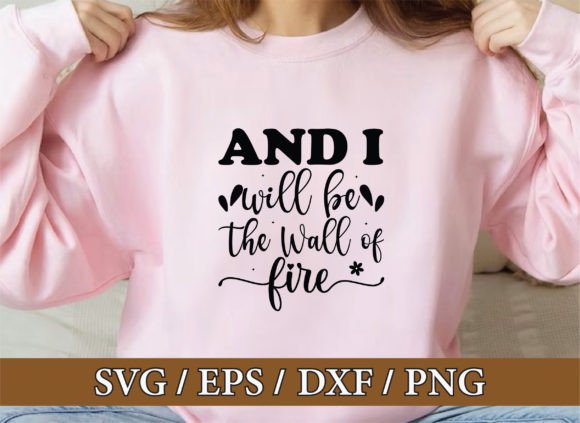
When I first opened this embroidery file, I was immediately struck by its theme. The phrase "And I Will Be the Wall of Fire" carries a powerful, protective, and faithful sentiment. This isn’t a casual, whimsical design; it feels intentional and meaningful. The layout, focusing on the text itself, makes it a statement piece. As a designer, my first instinct was to imagine it stitched onto a simple, high-quality cotton tote bag. The bold declaration would transform a utilitarian item into a personal, faith-inspired accessory, something a customer would carry with genuine pride.
The Mood It Creates on Fabric
This design creates a mood of strength and assurance. Its visual personality is declarative and clear, without ornate flourishes that might dilute the message. In the world of handmade products, clarity is often more valuable than complexity. When embroidered, this text-based design becomes a focal point. I envision it on a heather gray sweatshirt—the contrast of a crisp, satin stitch lettering against a soft, textured fabric would make the statement pop beautifully. It naturally belongs to projects where the message is the star, like custom apparel, pillow covers for a nursery, or even a well-placed patch on a denim jacket.
Performance in Real-Life Projects
Let’s walk through a real-life scenario. A client requests a personalized gift for a baptism—perhaps a keepsake blanket or a delicate baby bib. This design, with its protective theme, could be a profoundly touching choice. However, this is where practical judgment comes in. On fine, stretchy baby fabric, the stitch density needs careful management to avoid puckering. A smaller hoop size and a sturdy stabilizer would be non-negotiable here. Conversely, on a robust canvas tote bag or a quilted pillow cover, the design would perform splendidly, offering excellent stitching clarity and durability.
For small business owners and Etsy sellers, this embroidery file opens several avenues. It’s versatile enough for a range of products: from mugs (using a printable mockup for listings) to kitchen towels, caps, and aprons. The key is matching the product to the design’s weight. On a curved surface like a cap, the lettering would need to be tested in a mockup to ensure the layout fits the contour without distortion. For a craft fair, embroidered tea towels with this design could attract buyers looking for meaningful home decor or gifts.
Where to Exercise Caution
While the description suggests use for many items, some applications require extra care. Tiny lettering, if present in the design’s details, can become muddy on textured fabrics like fleece or terry cloth. If you’re considering a dark fabric background, thread color contrast is paramount—a bright white or a metallic gold might be needed to maintain visual appeal. Stretchy t-shirt material, especially for adult sizes, demands the right stabilizer combo to prevent the design from pulling or losing shape after washing. Always test on a scrap of the actual project fabric first. This step is the difference between a professional finished product and a disappointing one.
Impression on Value and Engagement
From a commercial and craft business perspective, this design affects several things. Its clear, faith-oriented theme builds immediate recognition and can foster deep customer trust when presented well on a handmade product. It elevates the perceived value of a simple sweatshirt or tote, turning it into a branded item with emotional resonance. For giftability, it’s strong—think holiday gifts, wedding gifts for a couple, or boutique merchandise for a faith-based shop. The professional execution of the embroidery, with clean satin or fill stitches, reinforces your brand’s consistency and attention to quality.
A Designer’s Practical Notes
Before you run this machine embroidery design for a client or your shop, here are my grounded notes. Please check the specific file formats and license terms for commercial use; the product description doesn’t detail them, and confirming this is crucial before selling finished items. Review the stitch density in your software, especially for any dense areas. Test the design in both black and white mockups to see how it reads on light and dark backgrounds. Plan your thread colors thoughtfully—a classic palette might work, but a subtle ombre effect in the lettering could add a custom, luxurious touch. Finally, consider the scale. This design likely shines at a moderate size where the text is legible and impactful, not too small on a baby item nor overly gigantic on a standard pillow.
In essence, And I Will Be the Wall of Fire,faith Svg is a graphic with potent emotional leverage. Its success in your embroidery project hinges not on the file itself, but on your thoughtful application—the fabric you choose, the stabilizer you use, the product you pair it with, and the care you take in stitching. For digital product sellers and creative entrepreneurs, it represents a design asset that, when executed with this practical insight, can yield beautiful, meaningful, and commercially viable handmade products.