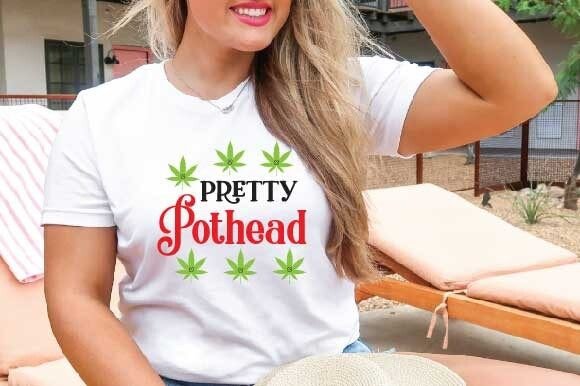
Evaluating the "Pretty Pothead" SVG for Real Embroidery Projects
A First Impression: Whimsy Meets Practicality
When I first opened the "Pretty Pothead" embroidery file, my designer instincts immediately kicked in. The title sets a specific mood—it's playful, lighthearted, and undeniably cute. This isn't a stark or edgy design; it's built for charm. The visual personality feels like it belongs on a gift, something meant to elicit a smile rather than just a statement. That's a crucial distinction for choosing embroidery projects. This design naturally leans towards personalized items, boutique merchandise, and thoughtful gifts rather than corporate branding or minimalist apparel.
Where This Design Finds Its Home
In my practice, I'm constantly matching a design's character to the final product. For "Pretty Pothead," several applications spring to mind instantly. It would be a standout on a custom embroidered tote bag for a plant-loving friend. Imagine it on the front of a cozy sweatshirt, the whimsical theme perfect for casual, comfort-focused apparel. I also pictured it as a small, sweet detail on a baby's bib or a nursery pillow cover—the "pretty" aspect softening any thematic edge for a younger audience.
For small business owners and Etsy sellers, this design offers versatility. It could anchor a line of kitchen towels for a gardening-themed boutique, become a recurring motif on aprons for a craft fair, or serve as a beloved patch applied to a canvas hat. Its appeal is broad enough for "men, women, kids, baby," as noted, which makes it a reliable digital embroidery file for a crafter building a diverse product catalog.
Navigating the Stitching: Practical Application Notes
Moving from the idea to the hoop, here's where a practical review matters. The design's likely composition—presumably a pot with a plant—will involve shapes that embroidery handles well: curves, possibly some linear details. For successful execution on custom apparel like t-shirts or sweatshirts, stabilizer choice is paramount, especially if the fabric is stretchy. The stitch density, which we can't know without testing, will determine how it sits on thinner fabrics like tea towels.
For textured fabrics like a canvas tote bag, the design should hold up beautifully, offering good visual clarity. On dark fabric backgrounds, thread color contrast becomes critical; you might need to swap to a bright white or pastel palette to keep the "pretty" mood intact. A potential challenge, common with any design, would be very small detailing. If the file includes tiny lettering or intricate decorative accents, those areas need extra attention in the hoop setup and stitch type selection—a dense satin stitch might pucker on a cap's curved surface.
Scenarios Where a Careful Approach is Needed
Confident embroidery means knowing a design's limits. "Pretty Pothead" seems ideal for mid-sized applications. I'd be cautious using it in a very small hoop size, where detail loss could compromise its charm. Similarly, on layered garments with pockets or seams, placement needs planning so the design isn't interrupted.
For products destined for frequent washing—like baby items or kitchen linens—you'd want to test its durability on scrap fabric first. A robust fill stitch in the main elements will ensure longevity, preserving the product value and customer trust that handmade items rely on.
The Impact on Your Business and Your Customer
From a commercial embroidery perspective, this design affects more than just stitches. Its friendly, approachable aesthetic enhances giftability. A customer receiving an embroidered pillow cover with this motif is more likely to perceive it as a thoughtful, personal piece. For creative entrepreneurs, using such a design consistently across a product line—say, on aprons, towels, and patches—can build subtle brand recognition around a theme of gentle, nature-inspired whimsy.
It supports professionalism when executed well; a clean, crisp rendition on a tote bag speaks to quality craftsmanship. In your Etsy listings or printable mockups, a design with clear, appealing shapes like this can drive buyer engagement because it's easily understood and visually pleasant.
Essential Designer Steps Before You Stitch
Before committing this to a client project or your small shop merchandise, your workflow should include a few key checks. Always, always test the embroidery file on a scrap of your intended fabric. This reveals the true stitch density, thread coverage, and how small details like leaf tips or pot contours translate.
Review it in both black and white mockups to judge its form independently of color. Compare how it might look on light versus dark fabric backgrounds to plan your thread inventory. Confirm the licensing terms for the digital product itself—can you use it for commercial embroidery projects, selling the finished physical items? That's a fundamental question for any business use.
Finally, consider the design's role in your overall portfolio. Does "Pretty Pothead" complement your other embroidery designs, or does it open a new, desirable niche for your craft business? Its practical value lies not just in a single successful stitch-out, but in its potential to become a reliable, repeatable asset for personalized gifts and handmade products that genuinely connect with people.
In the end, an embroidery design like this earns its place through versatility and mood. "Pretty Pothead" seems crafted for moments of lighthearted connection, stitched onto the everyday objects that make life a bit more personal and pleasant. That’s a solid foundation for any embroidery project, from a hobbyist’s gift to a boutique’s bestselling product.