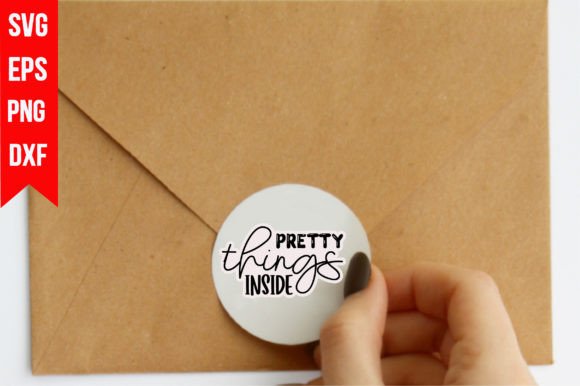
Pretty Things Inside: A Designer's Honest Review
Whenever I sit down to evaluate a new embroidery file for potential client work or my own shop stock, my first question isn't just about aesthetics. It's about utility. How does this design translate from a digital preview into actual stitches on fabric? Today, I'm considering 'Pretty Things Inside,' a design that clearly belongs in the category of T-Shirt Designs and falls under the broad umbrella of Graphics. Let's walk through what this means for a real project.
The Immediate Visual Mood & Practical Personality
'Pretty Things Inside' evokes a specific, soft-focus charm. The title alone suggests a theme of hidden beauty or personal treasures, which is a wonderfully versatile sentiment for custom apparel. As a designer, I see a layout that likely leans towards a central, illustrative motif—perhaps a container or heart filled with delicate items. The detail level implied by 'Pretty Things' tells me this isn't a minimalist, single-line design. It will have elements that require definition, which in machine embroidery translates to decisions about stitch density and thread colors.
My instinct is that this design feels inherently giftable. It’s not aggressively trendy; it has a timeless, personal quality. That makes it a strong candidate for personalized gifts like embroidered patches on blankets, baby embroidery on a special keepsake, or a heartfelt holiday embroidery piece on a tea towel. For my craft business, that’s valuable—it’s a design that can serve multiple occasions.
Putting It Into a Real Project Scenario
Let's imagine I’m preparing a custom tote bag design for a client’s boutique. They want something that feels feminine and thoughtful, perhaps for a launch event. I’m considering 'Pretty Things Inside' as the focal point. My first practical thought is about scale. A tote bag offers a large, flat canvas, so I can use a larger hoop size to preserve all the design's intricacies. But if I were thinking of applying it to a baby clothes item, like a tiny jersey, I’d immediately become more cautious. The small details mentioned in the product description—the 'things inside'—could become lost or overly dense on a smaller scale.
This is where the practical judgment comes in. The design’s success hinges on translating its 'pretty' details into clear stitches. On a sweatshirt embroidery project, using a mid-weight cotton fleece, I’d expect it to look great, provided I use the correct stabilizer. The fabric texture is forgiving. However, if a customer requested it on a thin, stretchy fabric like a standard T-shirt, I’d need to test rigorously. Areas of high stitch density could cause puckering or make the fabric uncomfortably stiff in that spot.
Where This Design Should Be Used With Care
Not every embroidery project is a perfect fit. Based on its descriptive theme, 'Pretty Things Inside' likely has corners, possibly small lettering, and decorative accents. Here are situations where I, as an experienced decorator, would proceed with extra steps:
- Small hoop sizes: Trying to cram a detailed design onto a cap or the curved surface of a hat risks losing definition.
- Dark fabric: If the design isn't optimized with underlay or doesn't have a bold outline, lighter thread colors might lack pop on dark backgrounds.
- Products needing frequent washing: On items like kitchen towels or aprons, very dense fill stitches can wear differently than running stitches, affecting longevity.
- Layered garments: Embroidering over seams or on pockets could distort the layout.
This isn't to discourage its use; it's to ensure the finished product lives up to the digital promise. For an Etsy seller, this attention to application directly impacts customer trust and reduces the chance of a disappointed buyer.
How It Lifts a Product's Value & Appeal
When a design like 'Pretty Things Inside' is executed well, it elevates the item. It moves from a generic graphic to a piece with narrative. That handmade presentation is what buyers in the small shop product market seek. It feels intentional. For a personalized gift, say a pillow cover for a wedding, the theme resonates emotionally, increasing its giftability.
From a commercial embroidery perspective, using such a design consistently across a line of boutique branding items—totes, aprons, towels—can create strong brand consistency. It becomes a recognizable signature. This is a key consideration for digital product sellers who offer the file as a design asset; they’re selling not just a graphic, but a potential brand tool.
Essential Designer Notes Before You Stitch
Before I'd ever run this embroidery file on a final product, here’s my checklist:
- Test on scrap fabric first: Use the same material and weight as your final project.
- Check thread color contrast: Run a section on both light and dark fabric scraps to see how it reads.
- Review stitch density in the file: Look for any overly saturated areas that might need adjustment for your specific fabric.
- Confirm the design works for your intended use: If selling the physical item, ensure your license permits commercial embroidery of the finished goods.
- Inspect small details: Pay close attention to any tiny elements; they might need a simpler stitch type like a running stitch to remain clear.
- Use proper stabilizer: Match the stabilizer to the fabric, not just the design.
And a crucial point from the product description: it's noted as an SVG file for cutting machines. For machine embroidery, this means you likely need a converted file. Always confirm the specific file formats and licensing provided before starting any project, especially for digital embroidery files you plan to resell or use commercially.
The Final Verdict for Makers & Entrepreneurs
'Pretty Things Inside' strikes me as a design with strong emotional resonance, perfect for applications where that sentiment is the product's core value. Its best real-world uses are on stable, medium-to-large surfaces where its details can shine: think tote bags, sweatshirts, aprons, and pillow covers. It would be a charming choice for nursery decor or a thoughtful holiday gift.
For the craft business owner, it offers versatility. For the hobbyist, it offers a satisfying, detailed project. The key is to treat it with the respect its detail demands: test it, match it to the right fabric, and execute it with technical care. When you do, you’ll have a finished product that truly feels like it holds something pretty inside—a quality that customers and recipients will immediately recognize and appreciate.